
The Half-Life of Compliance Policies
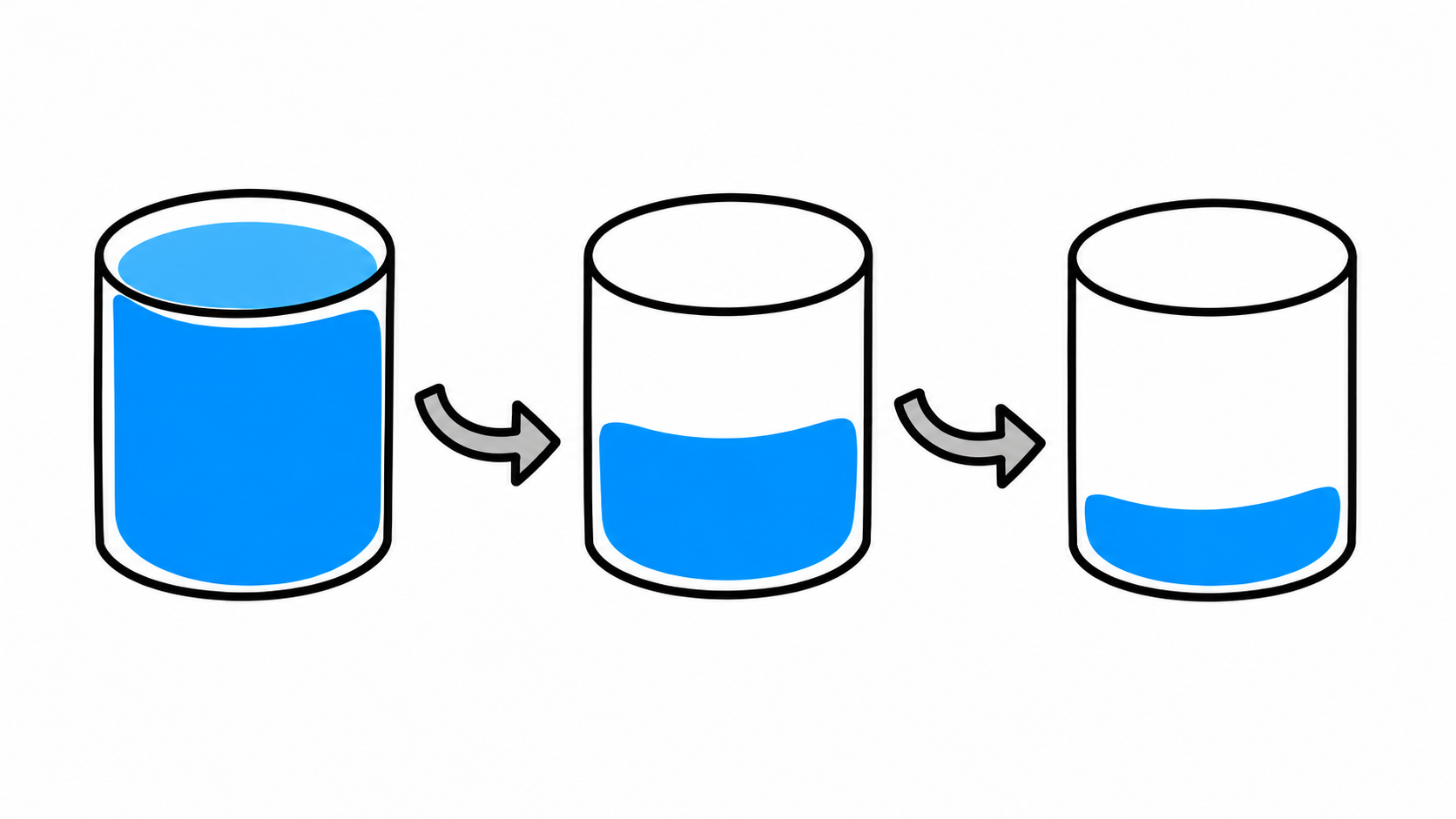
A policy can remain technically current while the assumptions underneath it have already expired. Compliance leaders need to identify that gap before employee behavior, a market event or a regulatory review exposes it for them. Markets don’t wait for the policy review cycle.
Prediction markets, tokenized securities, digital assets, new wrappers and extended trading hours are changing how employees gain exposure and encounter sensitive information. The risks remain familiar. The products, platforms and pathways do not.
A policy approved twelve months ago can still be in force without accurately describing the market it governs.
The Document Can Be Current While Coverage Decays
Adding another product name to a policy closes the most visible gap, but preserves an outdated way of defining risk. A token can represent a security. A prediction-market contract can reflect the outcome of a merger, regulatory decision or clinical trial. A wrapper changes access without necessarily changing the underlying exposure.
Effective policies must account for the instrument, the employee’s behavior, the underlying economic exposure and access to information. No single category does all the work.
Policy Changes Do Not Automatically Change Controls
Updating the document is only part of the work. Data feeds, preclearance rules, restricted lists, surveillance logic, employee disclosures and escalation workflows must reflect the same decision. If the policy prohibits or conditions activity that the firm cannot identify, the written standard and operating control are disconnected.
Consider preclearance. Employees should not need to identify every security, derivative, token or prediction-market contract that creates the same exposure. Compliance teams also cannot add every token, contract and related instrument to watch and restricted lists manually.
The control system should map each instrument to its relative identifiers such as ISIN, CUSIP and SEDOL provide part of that connection. Tokens, derivatives and event contracts require additional mapping to the underlying risk – which Star has done.
If an issuer appears on a restricted list, the system should apply the appropriate restriction to related instruments regardless of structure, platform or wrapper. Ambiguous relationships still require review, but they should enter an exception process rather than remain invisible.
That is the difference between updating a policy and updating the control.
Controls Need Their Own Update Cycle
This capability cannot be installed once and left alone. New contracts appear. Platforms expand. Token structures change. Data quality varies. Mappings that worked yesterday require testing and refinement tomorrow.
Keeping pace requires sustained product development, market expertise and operational support. It also requires visibility across venues, instruments and regulatory approaches. A system built around one firm’s historical requirements risks learning only when that firm encounters the next gap.
Purpose-built compliance infrastructure spreads that work across a dedicated team whose job is to monitor market change, update mappings, test controls and incorporate new requirements into the platform. The firm remains accountable for its policies and risk decisions, but it does not need to rebuild the supporting control each time the market moves.
Review the Assumptions
A useful review asks three questions: • Where does relevant activity occur now? • How can employees recreate the same economic exposure? • Can the firm detect, assess and enforce what the policy requires?
The point here is that the policy may still be in force, but what if firm can no longer enforce it?
What’s needed is a system with adaptive controls, rather than constantly re-writing policies.