
Skip to content

Library — every ComplianceCatalyst piece, newest first

Leadership

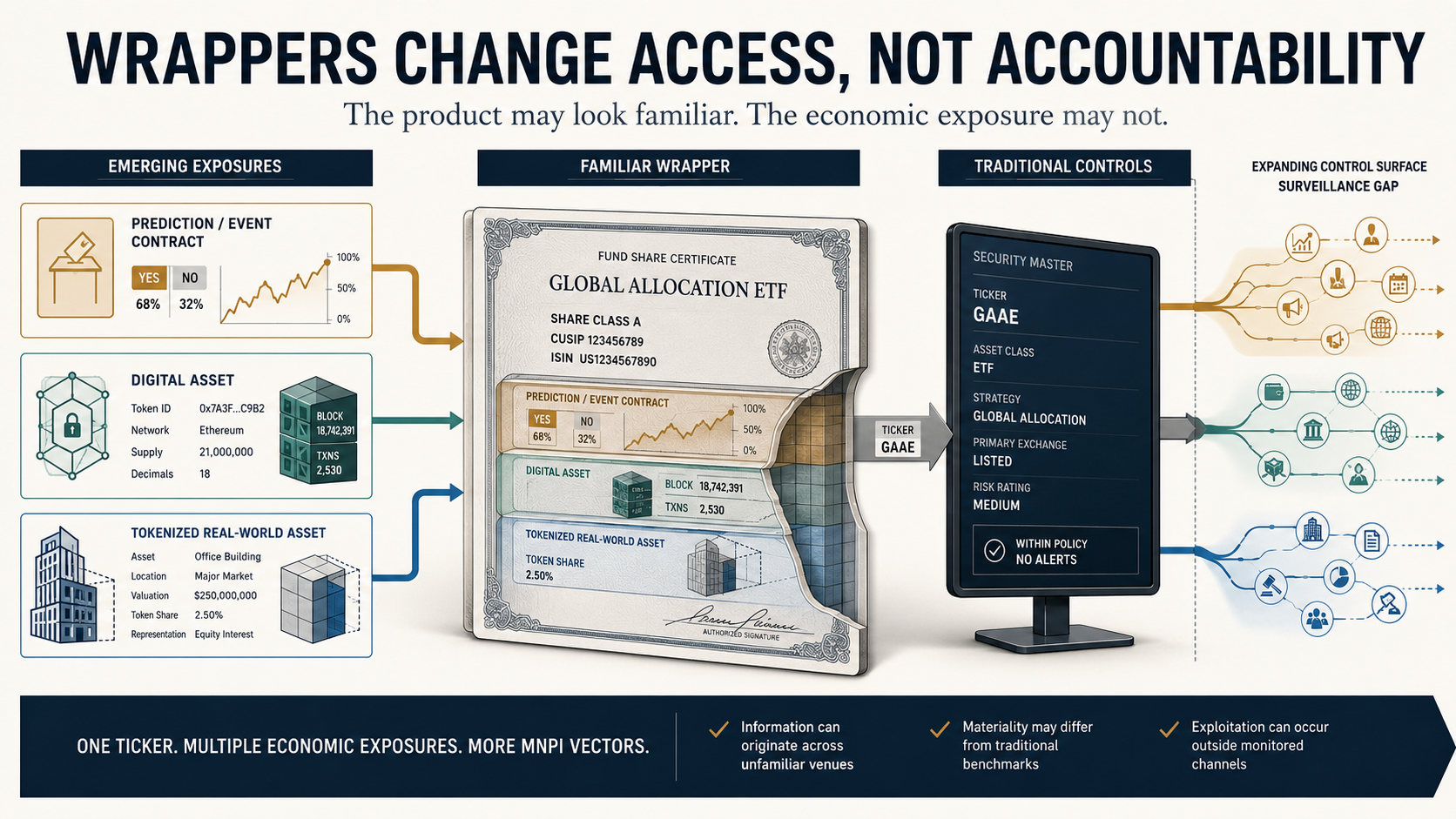
Prediction Markets and the Expanding Control Surface

Prediction markets are often discussed as a new asset class or an extension of sports betting, but their broader significance may lie elsewhere. As they create new ways to monetize information outside traditional securities markets, they challenge long-held assumptions about market structure, surveillance, and compliance. Rather than viewing them as a niche product, firms should recognize prediction markets as part of a broader shift that is expanding where - and how - valuable information can be traded,

Technology

The Hidden Cost of Frictionless Oversight

Compliance budgets and AI adoption are rising fast — yet the 2026 StarCompliance benchmark shows workloads barely falling. The reason may be that compliance is a judgment function, and some friction is what produces good decisions.

Leadership

Some Firms Build Consensus. Others Build Conviction.

Modern compliance programs are filled with escalation paths designed to reduce risk. But firms develop very different decision-making cultures — some build conviction, others diffuse accountability through endless approvals.

Regulatory

Cybersecurity Assumes Breach. Why Doesn’t Compliance?

Inside most organizations there are two systems operating at once: the documented one and the behavioral one. Cybersecurity learned to assume breach — why does compliance still assume alignment?

Leadership

Athletes Train for Pressure. Why Doesn’t Compliance?

Elite athletes don’t rely on instinct in critical moments — they train for pressure. Financial institutions call their top performers athletes, yet compliance still trains for policies, not for how decisions form under pressure.

Leadership

Why Some Firms Move Faster. And Others Miss Out.

In most financial institutions, governance is treated as a constraint that creates friction. But as the pace of business accelerates, hesitation becomes a competitive disadvantage — and deals move elsewhere.

Regulatory

When New Risks Don't Land the Same Way

In most compliance discussions, emerging risks are treated as if they arrive uniformly across the institution. They don’t — they arrive through people, and people respond differently.

Regulatory

Where Risk Actually Surfaces

Most compliance frameworks assume controls catch issues first. In practice, risk surfaces when a person notices something doesn't add up — and what matters is whether escalation has somewhere reliable to go.

Regulatory

Does Governance Scale with Institutional Convergence?

Financial institutions no longer operate as single-line businesses — they function as platforms combining custody, trading, advisory, and private markets. A third structural shift, institutional convergence, changes how governance has to operate.

Technology

When Digital Assets Integrate, Personal Exposure Follows

BlackRock is expanding tokenized offerings and JPMorgan is embedding blockchain settlement rails. As digital assets integrate across product platforms and market structure, employee-level personal exposure rarely lags behind.

Leadership

When Leadership Becomes the Control

For years, compliance effectiveness has been judged by the strength of formal frameworks. Recent enforcement actions suggest those elements are no longer sufficient on their own — leadership behavior is now part of the control environment.

Regulatory

FINRA Is Getting Out of the Way

FINRA’s proposed amendments to Rules 5110 and 5123 look like a modernization effort on the surface. But beneath the efficiency story is a quieter shift — FINRA is stepping back, and firms are being asked to step up.

Leadership

When Cost Discipline Preserves Margins but Compounds Risk

Firms make rational decisions to protect profitability — freezing budgets and delaying technology investment. But those same decisions often create risks that don’t show up until they’re much harder to unwind.

Technology

Reimagining Insider Trading for a World Beyond Securities

Prediction markets, digital assets, and decentralized platforms all push the limits of “insider trading.” For compliance leaders it’s a call to rethink how we define and manage material, nonpublic information.

Leadership

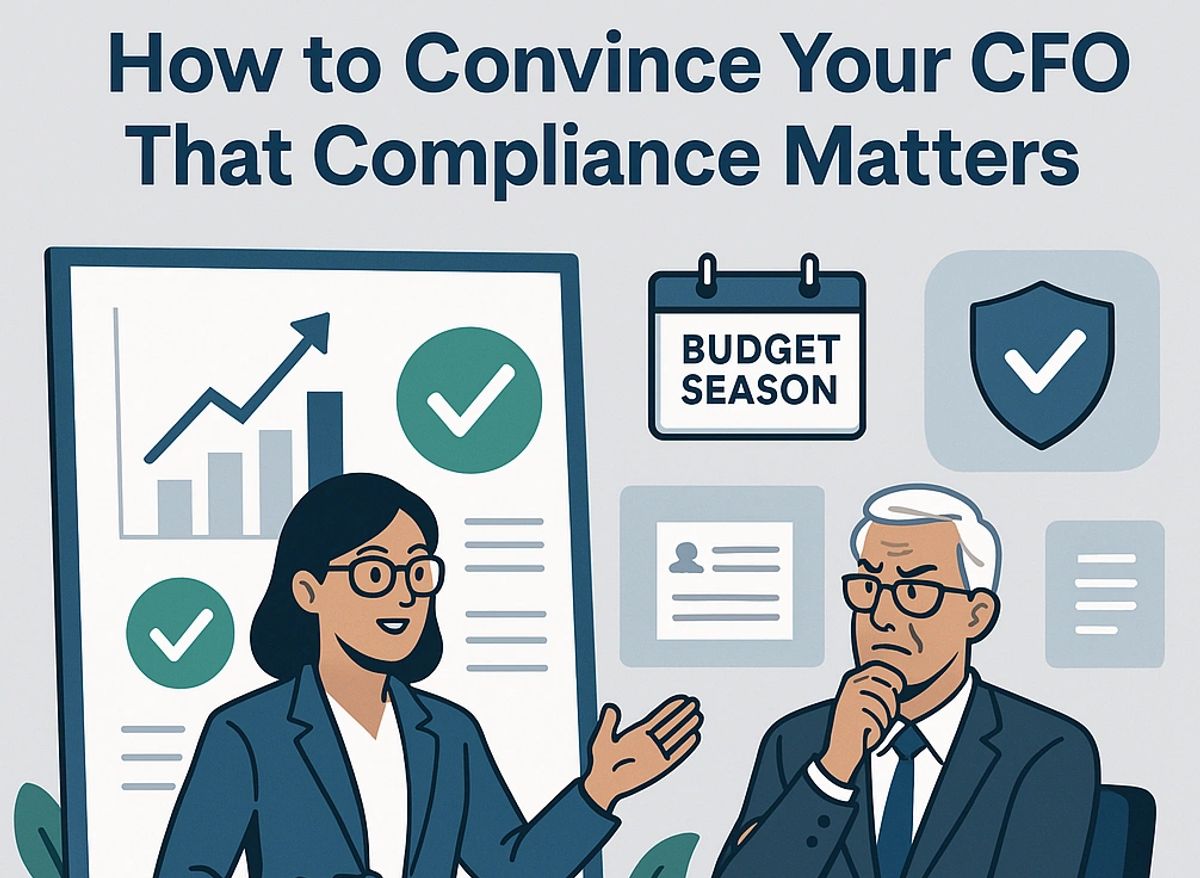
How to Convince Your CFO That Compliance Matters

Most compliance leaders want to modernize their programs but fear making a compelling business case. To many CFOs, compliance still looks like a cost center — here’s how to reframe it as a strategic investment.

Technology

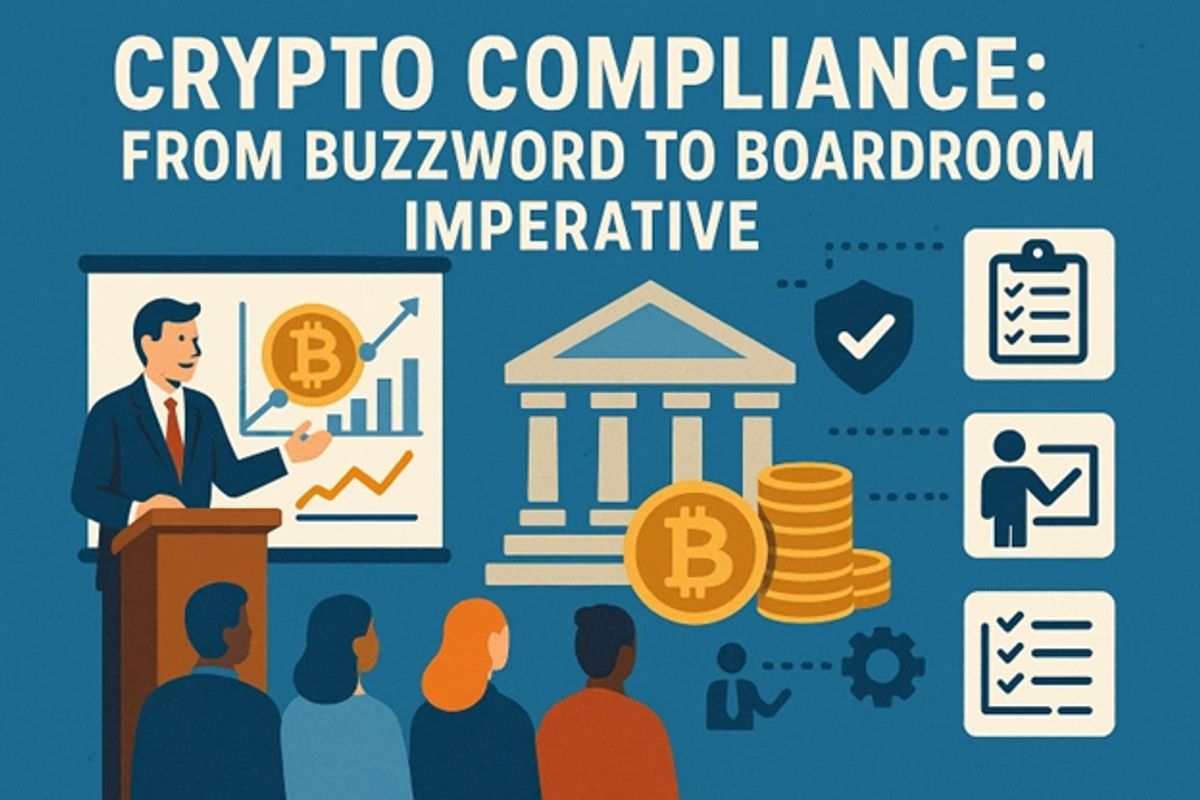
Crypto Compliance: From Buzzword to Boardroom Imperative

Crypto feels overhyped at times, but like AI it has reached the stage where real, lasting changes are underway. The U.S. regulatory landscape has shifted and institutional participation has accelerated dramatically.

Leadership

Why Conflict Intelligence Might Be the Skill You’re Missing

Most of us don’t enjoy conflict, and leadership advice has framed avoiding it as wisdom. But avoiding conflict drives it underground. Conflict Intelligence Quotient (CIQ) reframes engaging with it constructively as a leadership skill.

Technology

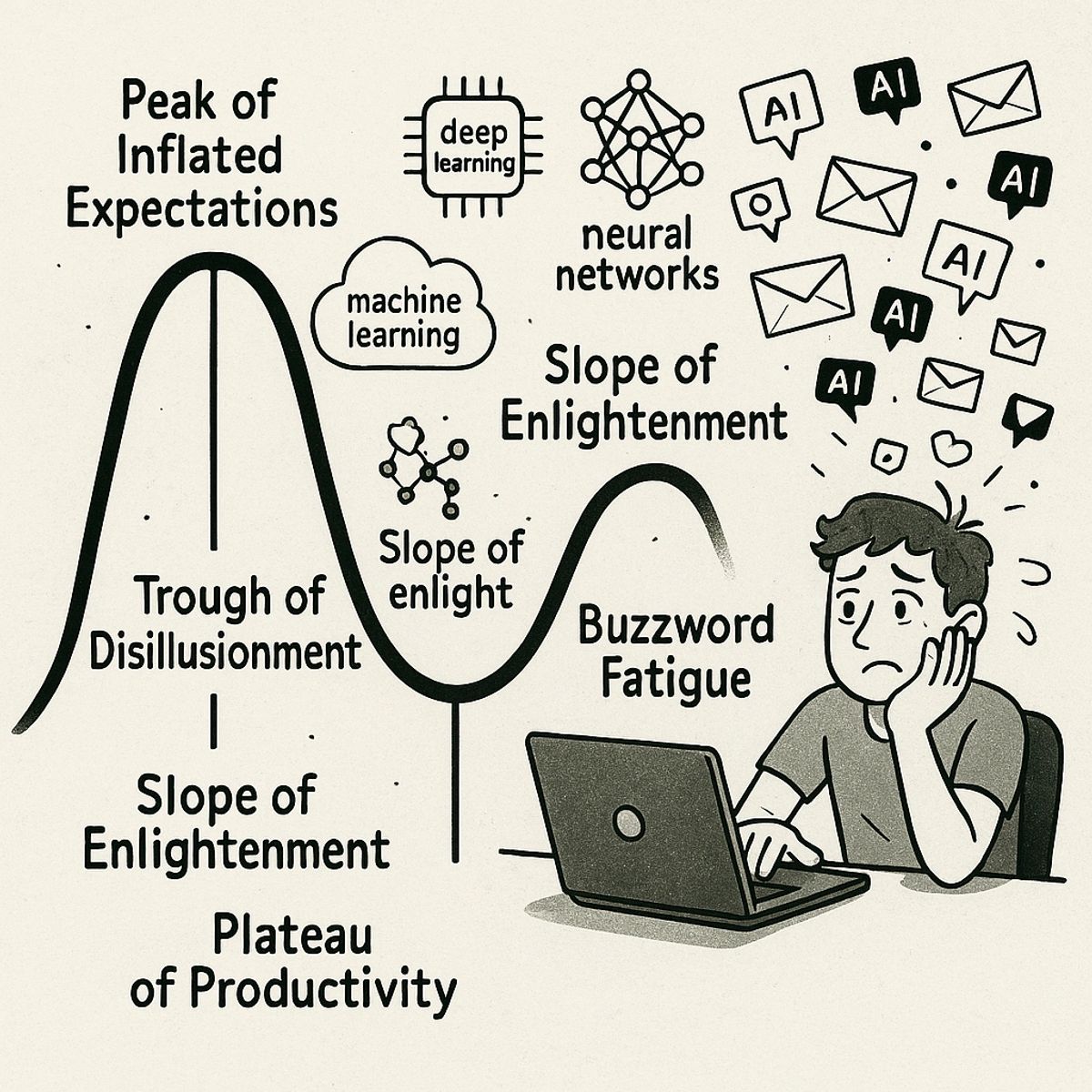
AI, the Hype Cycle & Buzzword Fatigue

AI, AI, AI… everyone’s talking about it, and frankly I’m exhausted. The AI buzz is following the same Hype Cycle pattern we saw with the internet, mobile, and cloud — along with its side effect, buzzword fatigue.

Regulatory

Asset Management is Changing – Can Compliance Leaders Keep Up

Policy changes and macroeconomic developments are driving shifts in investment strategies, but three other key trends are being overshadowed by the headlines — and compliance leaders need to navigate them to partner the business.

Comments (0)